


Hey there! As a supplier of Stadium Light Poles, I've been in the business long enough to know that safety is no joke when it comes to these structures. In this blog, I'm gonna break down the safety standards for stadium light poles, so you can have a clear idea of what to look for when you're in the market for them.

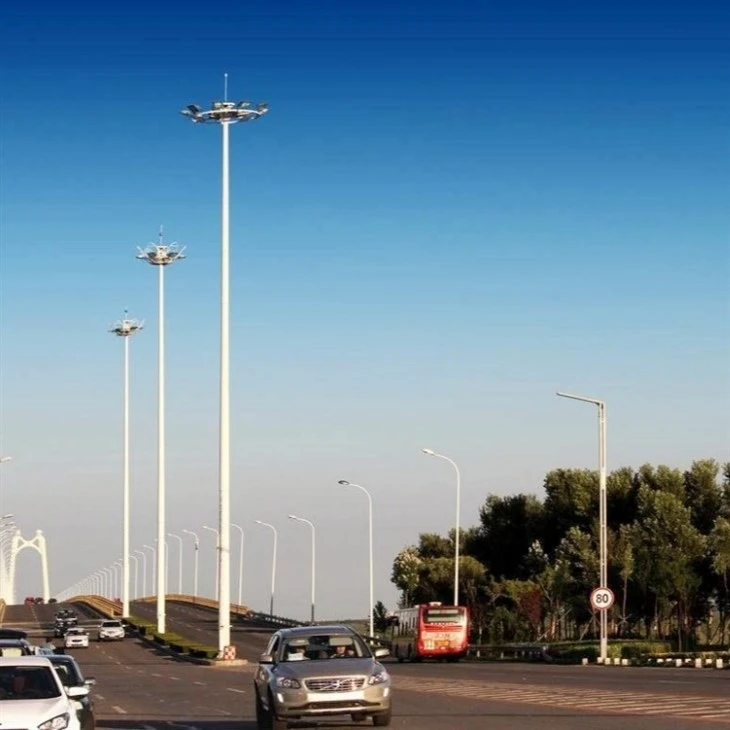
Structural Integrity
First off, let's talk about the most basic yet crucial aspect: structural integrity. A stadium light pole needs to be able to withstand a variety of environmental conditions, from strong winds to heavy snow. The pole should be made of high - quality materials, usually steel or aluminum. Steel poles are known for their strength and durability, while aluminum poles are lighter and more resistant to corrosion.
The thickness of the pole's wall is also a key factor. A thicker wall generally means a stronger pole. For example, in areas with high wind speeds, poles with a wall thickness of at least 6mm are often recommended. The pole should be designed with proper engineering calculations to ensure it can handle the weight of the lights, as well as any additional loads like ice or wind pressure.
When it comes to installation, the foundation is just as important as the pole itself. A well - constructed foundation provides a stable base for the pole. It should be deep enough and wide enough to prevent the pole from tipping over. For instance, a Stadium Light Pole that is 20 meters tall might require a foundation that is at least 2 meters deep and 3 meters in diameter.
Electrical Safety
Now, let's move on to electrical safety. Stadium light poles are equipped with electrical systems to power the lights. These systems need to meet strict safety standards to prevent electrical hazards such as short circuits, electric shocks, and fires.
All electrical components, including wiring, connectors, and fixtures, should be of high quality and properly installed. The wiring should be insulated to prevent contact with the metal parts of the pole. Grounding is also essential. A proper grounding system helps to protect against electrical surges and ensures that any electrical faults are safely diverted to the ground.
Regular inspections of the electrical system are necessary to detect any signs of wear and tear. For example, frayed wires or loose connections can pose a serious risk and should be addressed immediately. Additionally, the electrical system should be designed to handle the power requirements of the lights. Overloading the system can lead to overheating and potential fires.
Lighting Safety
The lighting itself also has safety implications. The light fixtures on the poles should be properly installed and maintained to prevent them from falling. They should be securely attached to the pole using appropriate mounting hardware.
The brightness and distribution of the light are also important. In a stadium, proper lighting is crucial for the safety of the players and the spectators. The lights should provide uniform illumination across the playing field and the seating areas. Glare should be minimized to avoid blinding the players or causing discomfort to the spectators.
For example, using High Mast Light Pole can help achieve better light distribution. These poles are usually taller and can provide a wider coverage area. A 12 Meter High Mast Pole can be a great option for smaller stadiums or areas where a lower height is required.
Regulatory Compliance
Stadium light poles need to comply with various local and national regulations. These regulations are in place to ensure the safety of the public and the proper functioning of the lighting systems.
In the United States, for example, the National Electrical Code (NEC) sets standards for electrical installations, including those in stadium light poles. The Occupational Safety and Health Administration (OSHA) also has regulations regarding the installation and maintenance of these poles to protect workers.
In Europe, the European Committee for Standardization (CEN) has developed standards for lighting poles. These standards cover aspects such as structural design, materials, and electrical safety.
When you're looking for a supplier, make sure they are aware of and comply with all relevant regulations. This will give you peace of mind knowing that the poles you purchase are safe and legal.
Maintenance and Inspection
Regular maintenance and inspection are vital for ensuring the long - term safety of stadium light poles. A maintenance schedule should be established to check the structural integrity, electrical system, and lighting components.
Structural inspections should include checking for signs of corrosion, cracks, or any other damage to the pole. The foundation should also be inspected for any signs of settlement or movement. Electrical inspections should focus on the wiring, connectors, and grounding system.
Lighting inspections should ensure that the lights are working properly, the fixtures are secure, and the light distribution is correct. Any issues found during these inspections should be addressed promptly to prevent further damage or safety hazards.
Conclusion
So, there you have it - the key safety standards for stadium light poles. As a supplier, I understand the importance of providing safe and reliable products. Whether you're building a new stadium or upgrading an existing one, it's crucial to choose light poles that meet these safety standards.
If you're in the market for stadium light poles, don't hesitate to reach out. We can provide you with high - quality poles that are designed and manufactured to the highest safety standards. Whether you need a High Mast Light Pole, a Stadium Light Pole, or a 12 Meter High Mast Pole, we've got you covered. Let's work together to make your stadium a safe and well - lit place!
References
- National Electrical Code (NEC)
- Occupational Safety and Health Administration (OSHA) regulations
- European Committee for Standardization (CEN) standards