



Hey there! As a supplier of traffic pole lights, I've seen firsthand the ins and outs of getting these crucial fixtures up and running. So, let's dive into how traffic pole lights are installed.
1. Planning and Preparation
Before any installation work begins, there's a ton of planning that goes into it. First off, we need to figure out the exact location where the traffic pole light will be placed. This isn't just about randomly sticking a pole in the ground. It has to be in a spot where it can effectively control traffic flow, be visible to drivers from a reasonable distance, and not interfere with other structures or utilities.
We also need to consider the type of traffic in the area. Is it a busy intersection with high volumes of cars, trucks, and pedestrians? Or is it a quieter neighborhood street? This information helps us determine the right kind of traffic pole light to install. For instance, in a high - traffic area, we might recommend a Signal Light Pole with multiple lights and advanced signaling capabilities.
Another crucial part of the planning phase is checking the local regulations and permits. Every city or municipality has its own set of rules regarding traffic light installations. We have to make sure we comply with all the safety standards, height restrictions, and electrical codes. Failure to do so can lead to serious legal issues and delays in the project.
2. Site Preparation
Once the planning is done, it's time to prepare the site. The first step is to mark the exact location where the pole will be installed. We use stakes and strings to create a clear outline, making sure the pole will be centered and level.
Next, we dig a hole for the pole. The depth and diameter of the hole depend on the size and weight of the pole. A larger, heavier pole will require a deeper and wider hole to ensure stability. We use heavy - duty excavation equipment like backhoes to dig the hole quickly and accurately.
After the hole is dug, we need to pour a concrete foundation. The concrete acts as an anchor for the pole, preventing it from tipping over. We mix the concrete on - site using a concrete mixer and pour it into the hole. Then, we insert a metal base plate into the wet concrete. This base plate will be used to attach the pole later on. We have to make sure the base plate is level and properly aligned before the concrete sets.
3. Pole Installation
Once the concrete foundation has cured (usually takes a few days), it's time to install the pole. We use a crane to lift the pole into place. The pole is carefully lowered onto the base plate and bolted down securely. It's a delicate operation because the pole has to be perfectly vertical. Even a slight tilt can affect the visibility of the lights and the overall functionality of the traffic control system.
After the pole is installed, we connect the electrical wiring. The wiring runs from the bottom of the pole up to the lights at the top. We have to make sure all the connections are tight and insulated to prevent any electrical shorts. We also install a junction box at the base of the pole, which serves as a central point for all the electrical connections.
4. Light Installation
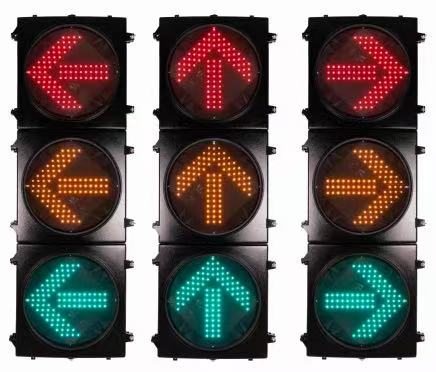
Now comes the fun part - installing the lights. We start by mounting the light fixtures onto the pole. There are different types of traffic lights, such as red, yellow, and green lights for traffic control, and sometimes additional lights for pedestrian signals.
We use specialized brackets and hardware to attach the lights securely to the pole. The lights have to be positioned at the right height and angle to ensure maximum visibility. For example, the red, yellow, and green lights are usually arranged vertically, with the red light at the top, followed by the yellow and green lights.
Once the lights are mounted, we connect them to the electrical wiring. We have to be extremely careful when making these connections because any mistakes can cause the lights to malfunction. We test each light individually to make sure they are working properly.
5. Testing and Calibration
After the lights are installed, we conduct a series of tests to make sure everything is working as it should. We test the electrical system to check for any short circuits or power issues. We also test the lights themselves to make sure they are turning on and off at the right times.
We use a traffic signal controller to program the timing of the lights. The controller determines how long each light stays on and off, based on the traffic patterns in the area. We have to calibrate the controller carefully to ensure smooth traffic flow. For example, at a busy intersection, the green light for the main road might stay on longer than the green light for the side road.
6. Advanced Features and Customization
In addition to the basic installation process, we also offer some advanced features and customization options. For example, we can install Radar Speed Measurement devices on the traffic pole lights. These devices can detect the speed of approaching vehicles and adjust the traffic signal timing accordingly. This helps to reduce speeding and improve safety on the roads.
We also provide Customizable Traffic Lights. Customers can choose different colors, shapes, and sizes of lights to suit their specific needs. For example, in some areas, they might want to use LED lights for better energy efficiency and longer lifespan.


7. Maintenance and Support
Even after the installation is complete, our job doesn't end there. We offer ongoing maintenance and support services for all our traffic pole lights. Regular maintenance is essential to ensure the lights continue to work properly and safely.
We conduct routine inspections to check for any signs of wear and tear, such as loose bolts, damaged wiring, or burnt - out lights. If we find any issues, we repair them immediately. We also keep a stock of replacement parts on hand, so we can quickly replace any faulty components.
Why Choose Us?
As a traffic pole light supplier, we have years of experience in the industry. We have a team of highly skilled technicians who are trained to install and maintain traffic pole lights safely and efficiently. We use only the highest - quality materials and equipment to ensure the longevity and reliability of our products.
If you're in the market for traffic pole lights, whether it's for a new construction project or a replacement, we'd love to hear from you. We can provide you with a free consultation and quote. Just reach out to us, and we'll work with you to find the best solution for your traffic control needs.
References
- Traffic Signal Installation Manuals from various municipalities
- Electrical Code Guidelines for Traffic Light Installations
- Industry Standards for Traffic Pole and Light Manufacturing