


Hey there! I'm a supplier of solar integrated lamps, and today I want to chat with you about whether these lamps can be used in tropical regions. It's a question that I get quite often, and it's definitely an important one, especially considering the unique environmental conditions in the tropics.
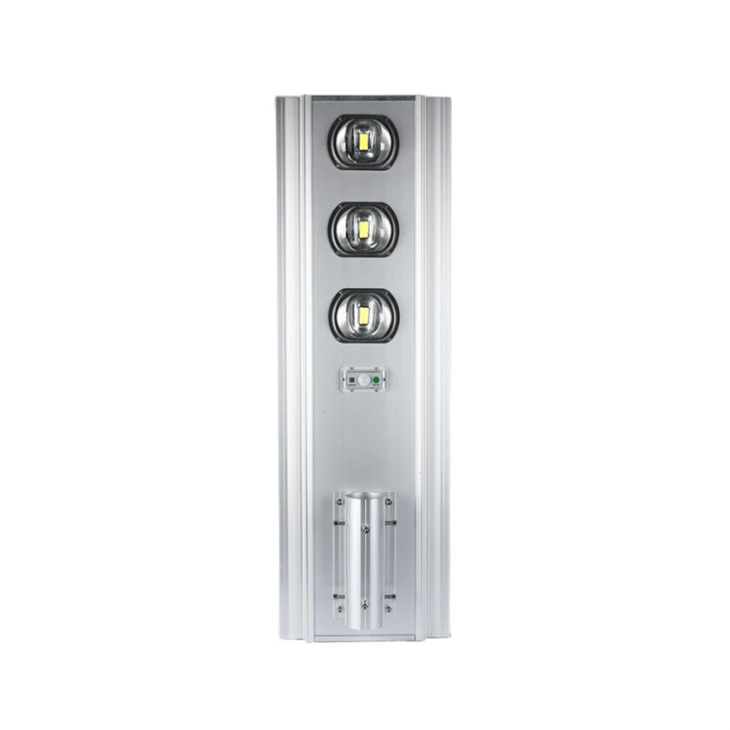
Let's start by understanding what solar integrated lamps are. These are all - in - one lighting solutions where the solar panel, battery, and LED light are all combined into a single unit. They're super convenient because they're easy to install and don't require complex wiring. There are different types, like the Led Solar Integrated Lamp, which is great for various lighting needs, Engineering Solar Street Lights for infrastructure projects, and Commercial Solar Street Lights to light up business areas.
Now, let's dig into the factors that make tropical regions unique and how they affect solar integrated lamps.
1. Sunlight Availability
One of the obvious perks of tropical regions is the abundant sunlight. On average, tropical areas get a high amount of solar irradiance throughout the year. This is a huge plus for solar integrated lamps because they rely on sunlight to charge. Solar panels on these lamps work by converting sunlight into electricity, which is then stored in the battery for use at night. With lots of sunlight, the lamps can charge more efficiently and store more energy, resulting in brighter and longer - lasting illumination.
However, the high intensity of sunlight can also be a double - edged sword. The strong UV rays in tropical sunlight can cause degradation of the materials used in the solar panels and the lamp housing over time. The plastic parts might become brittle, and the solar panel's efficiency could gradually decline. To combat this, we use high - quality, UV - resistant materials in our solar integrated lamps. These materials are designed to withstand the harsh tropical sun and maintain their performance for years.
2. Temperature
Tropical regions are known for their high temperatures. Heat can have a significant impact on the performance of solar integrated lamps. For starters, the batteries in these lamps are sensitive to temperature. Most batteries work optimally within a certain temperature range. When the temperature gets too high, the chemical reactions inside the battery can speed up, leading to a shorter battery life.
But don't worry! Our lamps are equipped with advanced battery management systems. These systems monitor the battery temperature and adjust the charging and discharging processes accordingly. They can also protect the battery from overheating, ensuring that it lasts as long as possible even in the hot tropical climate.
The solar panels also need to deal with the heat. High temperatures can reduce the efficiency of solar panels. When it's really hot, the electrons in the solar cells can become more energetic, making it harder for the panel to generate a stable electrical current. Our solar panels are designed with heat - dissipation features. They have special coatings and structures that help transfer the heat away from the panel, allowing it to maintain a more stable operating temperature and higher efficiency.
3. Rain and Humidity
Tropical areas often experience heavy rainfall and high humidity. Water is not a friend to electrical components. If water gets into the lamp's internal parts, it can cause short - circuits, corrosion, and overall damage to the lamp.
Our solar integrated lamps are built with waterproof and dustproof features. They have sealed enclosures that prevent water and dust from entering. The IP (Ingress Protection) rating of our lamps is quite high, usually IP65 or higher. This means that they can withstand heavy rain and water splashes without any issues. The wiring inside the lamps is also protected and insulated to prevent corrosion caused by humidity.
4. Insects and Wildlife
In the tropics, there are a lot of insects and wildlife. Insects are attracted to light, and they might try to get inside the lamp housing. If they do, they can block the light output or even cause damage to the electrical components.
To deal with this problem, our lamps have a well - designed structure. The lamp covers are smooth and have no large openings that insects can crawl through. Additionally, we use a special type of light that is less attractive to insects. It's a win - win situation where you get good illumination without attracting a swarm of bugs.
5. Maintenance
Since solar integrated lamps are relatively self - contained, maintenance in tropical regions can be relatively straightforward. However, it's still important to keep an eye on a few things. For example, the solar panels need to be cleaned regularly. With all the dust and debris that can accumulate in the tropics, a dirty solar panel won't be able to absorb sunlight efficiently.

We provide our customers with simple maintenance guidelines. Usually, a quick wash with clean water and a soft brush every few months is enough to keep the panels in good shape. Battery replacement might be required every few years, depending on usage and the battery type, but our battery management systems help extend the battery life as much as possible.
So, can solar integrated lamps be used in tropical regions? The answer is a resounding yes! Despite the challenges posed by the unique environmental conditions in the tropics, our carefully engineered solar integrated lamps are designed to handle it all. They can provide reliable and efficient lighting for various applications, from lighting up small streets to large commercial areas.
If you're in a tropical region and are looking for high - quality, durable solar integrated lamps, we'd love to do business with you. Whether you need lamps for a small residential area or a large - scale engineering project, we have the right solution for you. Don't hesitate to reach out and start the purchasing and negotiation process with us. You'll be making a smart, sustainable choice for your lighting needs.
References
- Smith, J. "Solar Energy Systems in Tropical Climates." Renewable Energy Journal, 2020.
- Brown, A. "The Impact of Temperature on Battery Performance in Solar Lighting." Energy Storage Magazine, 2019.
- Green, C. "Waterproofing Solutions for Outdoor Lighting in Humid Environments." Lighting Technology Review, 2018.